BDA THERAPY BLOG

July 2, 2024
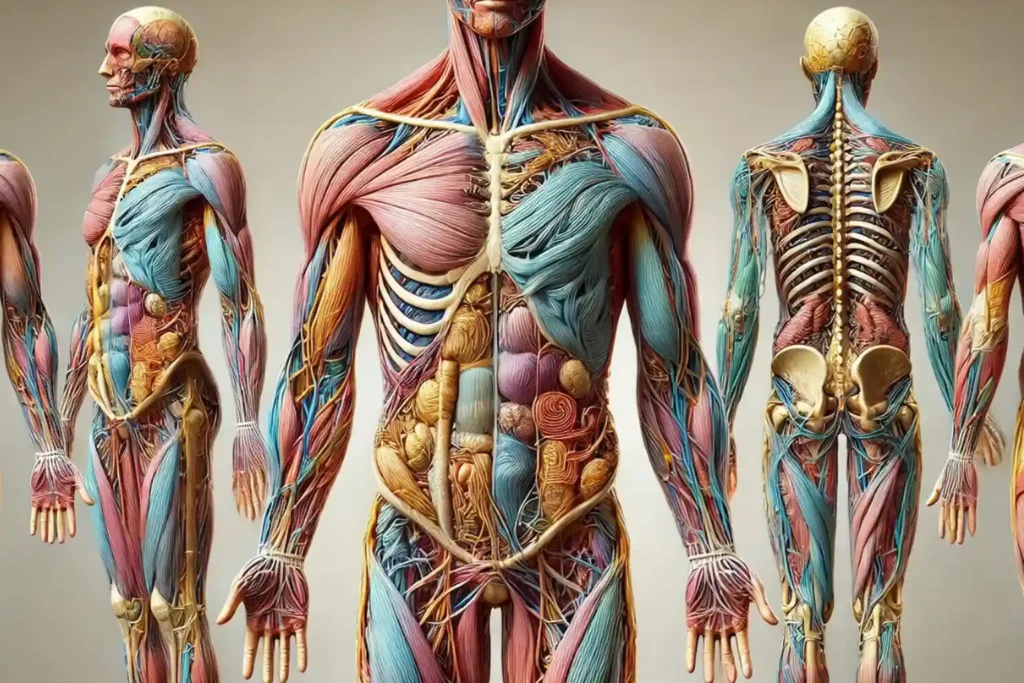
Connective tissues – fasciae – are found throughout the human body, from the top of the head to the tips of the fingers and toes. You can imagine them as the body’s internal network, like sheaths that envelop and connect every body structures – from internal organs, muscles, and bones…
December 29, 2020
Therapies that belong to the usual, standard neurodevelopmental approach, start from the assumption that motor problems in people with nervous system damage are exclusively a consequence of that damage and improper work of the brain and other nervous system structures and that coordination and control of movement are impaired….
April 28, 2020
To be able to fully answer this question in a way that is understandable, we first need to clarify one basic mix-up. In practice, I see that the term spasticity is widely used and often in the wrong context. Whenever parents notice an increase in tightness in the body of…
April 21, 2020
Short term vs. long term and Level 5 against Level 1 and 2. This is the question we often receive from parents. It is a good opportunity to explain fine details that parents often are not aware of when they observe the changes acquired by passive stretching. What are the…
April 20, 2020
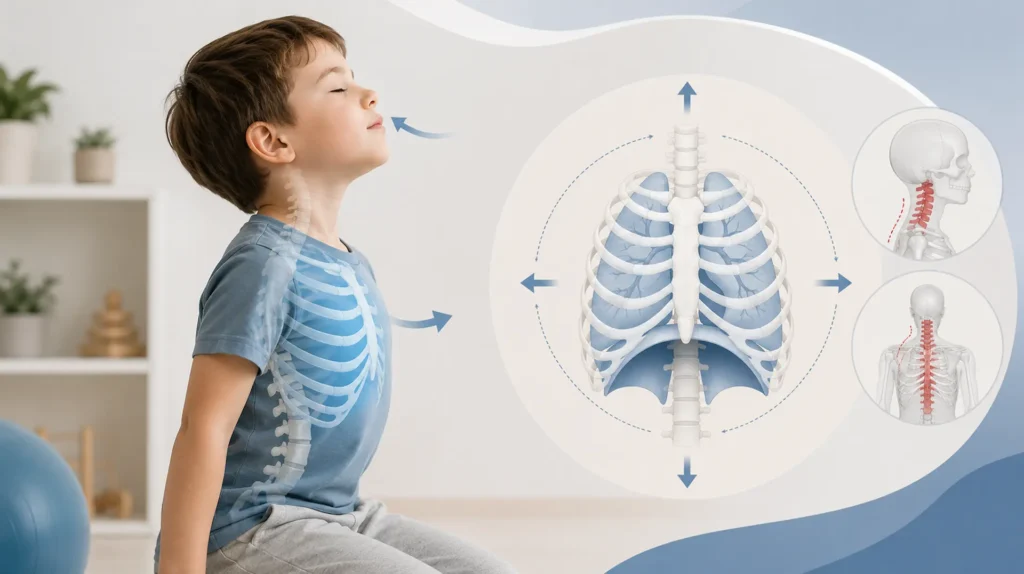
We bring you progress with the BDA therapies of little Teodora from Belgrade. Her mother explained what had improved in Teodora’s development. The first thing we noticed was her thorax, which expanded significantly, gained some volume, and it was noticeable after about a month of regular exercise….
March 30, 2020
As a parent of a child with spastic cerebral palsy or other neurological conditions and diseases, you want to prevent muscle, tendon, ligament shortenings and contractures or to reduce their negative impact if they have already developed. Basic ideas are to increase the range of motion in the joints where…
March 23, 2020
Previously we discussed structural differences in the properties of healthy and spastic/rigid muscles and connective tissues. After concluding that those differences are present, we further explained that the affected muscles and connective tissues will mechanically respond differently from the healthy structures when passive stretching is applied to them. Accordingly, the…
March 9, 2020
This question is a productive one. It gives an opportunity to examine the logic of the classical rehabilitation approach reasoning regarding passive stretching in great detail. I will try to present, step by step, the thought process which brought to the conclusions which are integrated in the classical rehabilitation paradigm….
March 2, 2020
To be able to answer this question, we first have to agree on a certain realisation. For many years, the condition of the children with neurological disorders has been explained through a concept which took into account the damage of nervous system structures (the neurological part of the equation) and…
February 24, 2020
I would like to address the topic of passive stretching procedure in children with cerebral palsy and other neurological conditions that involve increased muscle tone. I find this topic to be a multi-layered and complex one, and that is the reason why it needs to be analyzed from more than…
January 13, 2020
December 2018 was the month of my greatest physical pain, but also the most fruitful in the field of further development of BDA therapy. In the last seven months I have repeatedly experienced incredible pain as a result of inflammation of the nerve roots in the cervical spine. At first,…
January 13, 2020
Spasticity. Parents and doctors usually observe which parts of a child’s body are mobile and which are not, and the part of the body that is less mobile is considered to be less developed. However, in many cases, if we look deeper and take a closer look, we will find…
December 18, 2019
Cerebral palsy, my approach to children. I often get the question about how I draw conclusions about certain conditions, how I know them, why I look at them in a certain way in a child. What I find very important and what gives me the energy is a question that…
December 15, 2019
One of the questions that parents ask us most often refers to the hip dislocation in children with cerebral palsy. How have hip problems in children with cerebral palsy become a major issue? Parents are very concerned about this problem and their anxiety is growing because most orthopedic surgeons tell…
Read More

Free Lecture

How to Improve Your Child’s Motor Skills with the Innovative BDA + Pragma Method?

Would you like to learn how to support your child’s development through practical exercises and innovative techniques?

Sign up and get FREE access to the lecture where you will learn:

– How to identify the key motor challenges in a child
– Which exercises are most effective for improving coordination and balance
– How we combine BDA therapy with the Pragma system for even better results!

📩 Enter your email and get instant access to the free lecture!