

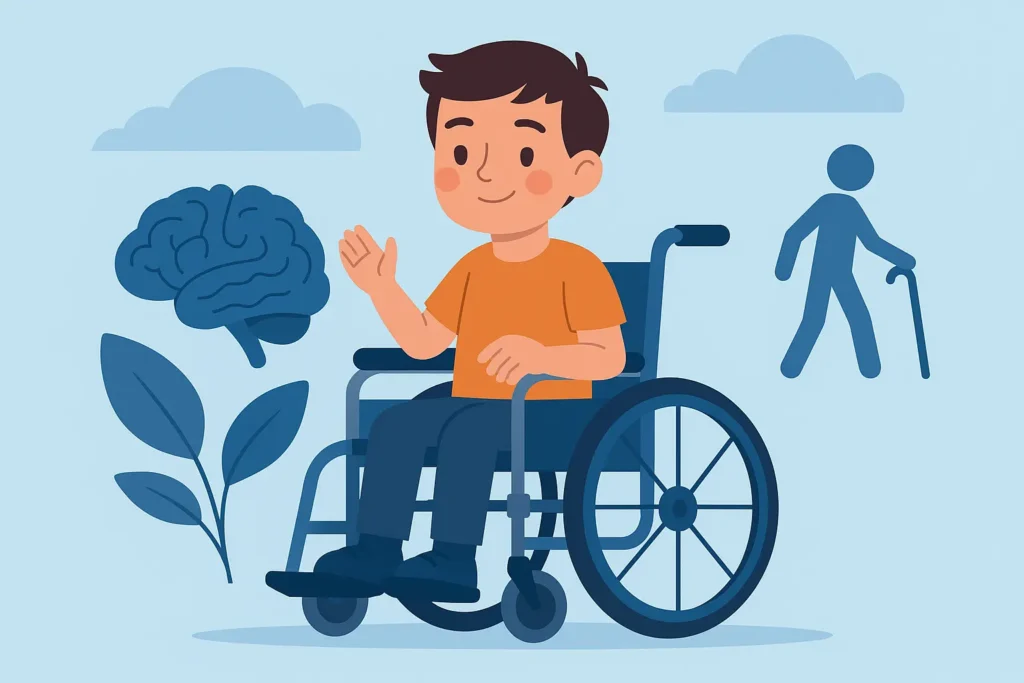
Cerebral palsy is one of the most common neurological conditions in children, and one of the questions parents ask most often is: What is the life expectancy of a person with cerebral palsy?
Although this question can be concerning, it is important to understand that life expectancy depends on many factors. In milder cases, individuals with cerebral palsy can have a life expectancy that is similar to that of people without the condition.
What Is Cerebral Palsy?
Cerebral palsy is a permanent, non-progressive brain injury that affects movement, coordination, and muscle tone. It develops during pregnancy, childbirth, or within the first months of life.
Although cerebral palsy is a lifelong condition, it does not worsen over time—the brain injury itself remains unchanged. However, the severity of symptoms and their impact on daily life depend greatly on therapy, rehabilitation, and ongoing support.
What Is the Life Expectancy of a Person With Cerebral Palsy?
Life expectancy for children with cerebral palsy varies depending on the type and severity of their symptoms.
Mild Cerebral Palsy
Individuals with mild cerebral palsy often have a life expectancy that is very similar to that of the general population. Children with mild CP have approximately a 99% chance of reaching the age of 20, and more than 80% live beyond the age of 58.
Severe Cerebral Palsy
Children with severe cerebral palsy who experience significant motor and intellectual impairments, as well as feeding and breathing difficulties, generally have a shorter life expectancy. Studies suggest that around 40% survive to the age of 20. However, advances in modern medicine, rehabilitation, and supportive care continue to improve these outcomes.
It is important to remember that statistics represent averages only. With appropriate medical care and support, many individuals with severe cerebral palsy live well into adulthood.
Factors That Influence Life Expectancy
1. Motor Impairments
Children who are unable to move independently often require extensive assistance with daily activities. Limited mobility increases the risk of infections, pressure sores, and a weakened immune system.
2. Cognitive Impairments
Approximately 40% of children with cerebral palsy have some degree of intellectual disability. These challenges can affect communication, decision-making, and the ability to manage personal health independently.
3. Feeding and Swallowing Difficulties
Problems with feeding and swallowing can lead to malnutrition, dehydration, and aspiration pneumonia, all of which can significantly affect overall health and life expectancy.
4. Epilepsy
Around four in ten children with cerebral palsy experience epileptic seizures. Poorly controlled epilepsy increases the risk of injury and other serious complications.
5. Respiratory Problems
Chronic lung conditions and breathing difficulties are common among children with more severe forms of cerebral palsy and can have a significant impact on longevity.
How Can Life Expectancy Be Improved?
Although cerebral palsy is a permanent diagnosis, there are many ways to help children live longer, healthier, and more fulfilling lives. Key factors include:
Regular physical and occupational therapy
Speech and swallowing therapy with a speech-language pathologist
The use of orthopedic equipment and assistive technologies
Proper nutrition and careful monitoring of food and fluid intake
Effective management of epilepsy through medication and therapy
Prompt treatment of infections
Psychological and emotional support for both the child and family
Every improvement in mobility, communication, independence, and overall health can contribute to a better prognosis and an improved quality of life.
Adults With Cerebral Palsy
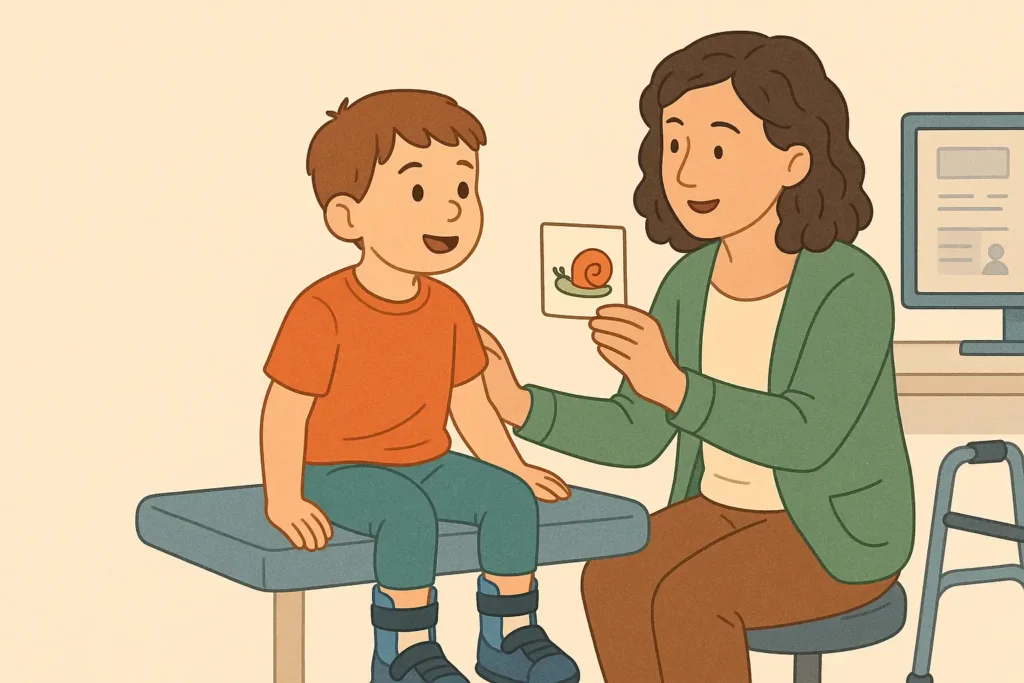
Today, an increasing number of individuals with cerebral palsy are reaching adulthood and leading active, fulfilling lives.
Although aging may bring challenges such as joint pain, muscle stiffness, and fatigue, access to quality medical care, rehabilitation services, and social support can help adults with cerebral palsy maintain a high quality of life.
Many adults with cerebral palsy pursue higher education, build successful careers, start families, and live independently. With the right support and resources, cerebral palsy does not have to prevent individuals from achieving their personal, professional, and social goals.
Does Cerebral Palsy Reduce Life Expectancy?
In mild cases, no. Life expectancy is generally the same as that of individuals without cerebral palsy. In more severe cases, life expectancy depends on the presence and severity of associated health complications.
Can Cerebral Palsy Progress Over Time?
No. Cerebral palsy is a non-progressive condition, meaning the underlying brain injury does not worsen over time. However, symptoms may become more noticeable or challenging without appropriate therapy, rehabilitation, and ongoing support.
How Can Life Expectancy Be Improved in Individuals With Cerebral Palsy?
Through proper nutrition, regular rehabilitation, effective epilepsy management, and high-quality medical care.
How Long Do Adults With Cerebral Palsy Live?
An increasing number of individuals with cerebral palsy are reaching adulthood and living long, fulfilling, and active lives, especially with the support of their families and healthcare professionals.
Conclusion
Cerebral palsy does not necessarily mean a shorter life expectancy. In mild cases, individuals often have a lifespan comparable to that of the general population, while in more severe cases, life expectancy largely depends on the quality of care and the presence of associated medical conditions.
The key message for parents is this: focus on improving your child’s quality of life through therapy, proper care, and ongoing support. These factors can have a significant impact not only on longevity but also on the overall fulfillment and well-being of your child’s life.


