

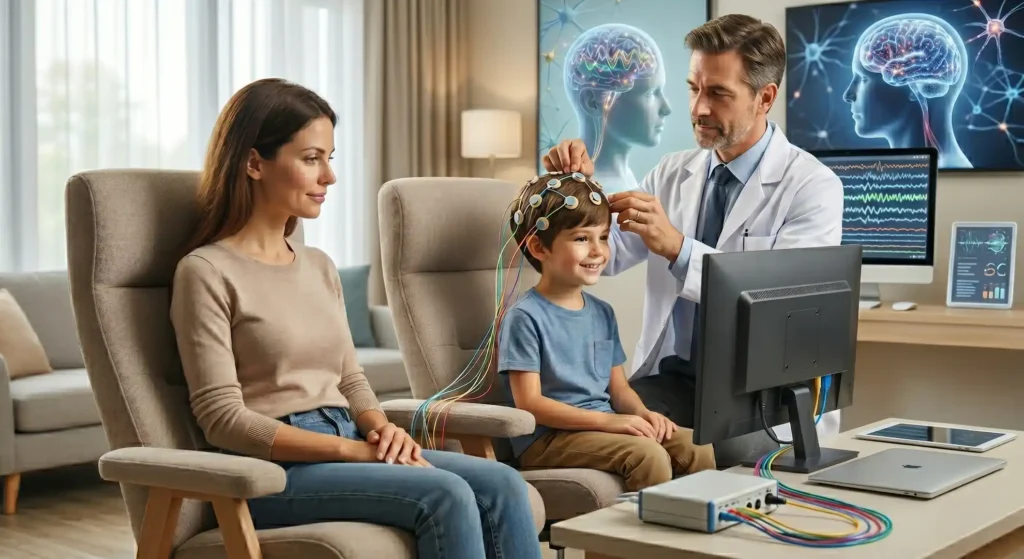
Parents of children with developmental challenges often first notice the outward signs difficulties with attention, impulsivity, emotional reactions, learning, behavior, or everyday functioning. However, behind many of these challenges lies something much deeper: the way the nervous system receives, processes, and regulates information.
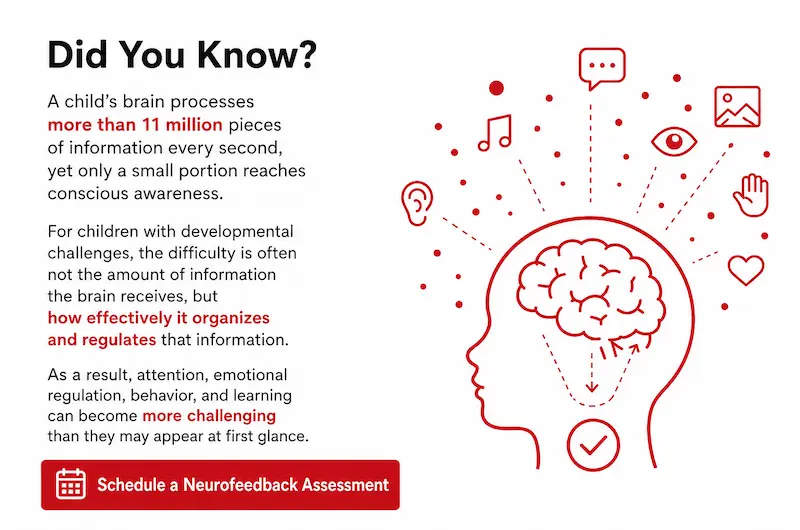
The brain continuously processes a vast amount of information coming from both the body and the environment. In order to function effectively, the nervous system must organize this information, identify what is important, and generate appropriate responses. For some children, this process is not as efficient. The nervous system may struggle to organize and regulate the information it receives each day, causing the child to expend much more energy on processes that should occur automatically.
As a result, difficulties may arise in areas such as attention, emotional regulation, behavioral organization, learning, and adapting to different situations.
When Is the Nervous System Under Increased Load?
For some children, the nervous system has difficulty receiving, processing, and organizing large amounts of information at the same time. As a result, the brain uses significantly more energy for basic regulation and sensory processing, making everyday situations feel overwhelming and difficult to manage.
This may present as: difficulty maintaining attention and concentration, impulsive reactions, emotional hypersensitivity, increased tension and restlessness, sleep difficulties, sensitivity to sound, touch, light, or crowded environments, rapid fatigue, challenges with learning and organizing daily activities.
For example, situations that seem completely ordinary to other children such as noise in a classroom, several people in a room, a change in routine, or multiple demands at once can place a significant burden on a child’s nervous system.
When this happens, children may respond in different ways. Some may appear constantly on the move, unable to settle down, or prone to impulsive behavior. Others may become withdrawn, seem disconnected, respond more slowly, or struggle to maintain focus and cooperation.
In many cases, the issue is not that the child is unwilling to participate or not trying hard enough. Rather, the nervous system may not have sufficient capacity at that moment to efficiently organize attention, emotions, and the body’s responses.
How Does Neurofeedback Affect the Nervous System?
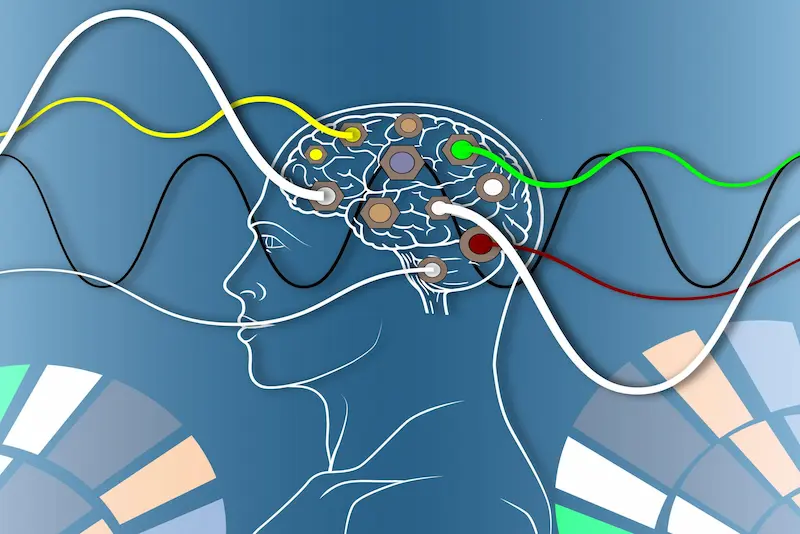
Neurofeedback helps the brain gradually develop more stable and organized patterns of functioning. By receiving real-time feedback about its own activity, the brain can learn to regulate processes related to attention, self-control, emotional regulation, information processing, and levels of internal tension more effectively over time. The goal is not for the child to memorize or practice specific behaviors, but rather for the nervous system to become more stable and efficient in everyday situations.
As nervous system regulation improves, children often find it easier to maintain attention, participate in activities, tolerate sensory input from their environment, and organize their responses. This is why it is important to understand that, for many children, behavior is not the root of the problem but rather a consequence of nervous system overload.
A child who cannot sit still may be trying to regulate internal tension. A child who reacts intensely may be experiencing difficulties with emotional regulation. A child who appears withdrawn or inattentive may be struggling with attention organization and information processing.
When the nervous system becomes more organized, improvements are often seen across multiple areas rather than in a single behavior. Children may find it easier to focus, sleep better, respond more calmly, and have greater capacity for learning, cooperation, and everyday activities.
What Is the Goal of Neurofeedback Training?
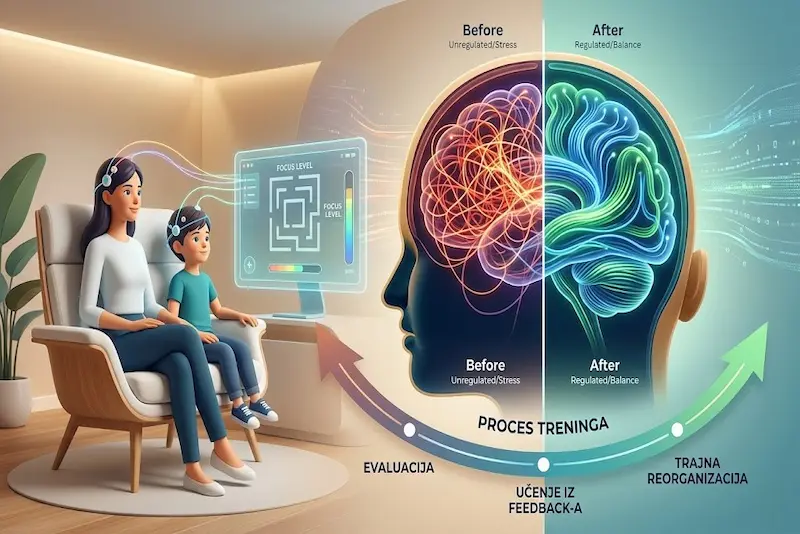
The goal of neurofeedback is not to temporarily change a specific behavior, but to support the way the brain organizes and regulates its functions in everyday life.
When the nervous system processes information more efficiently and maintains more stable patterns of activity, children are often better able to use their existing abilities and reach their full potential. The benefits are not limited to a single area of development they can positively influence attention, emotional regulation, learning, behavior, and overall daily functioning.
Parents commonly notice that their child: maintains attention and focus for longer periods, follows activities and tasks more easily, shows more stable emotional responses, copes better with everyday changes and environmental stimuli, sleeps more consistently and peacefully, organizes daily activities more effectively.
It is important to understand that the purpose of neurofeedback is not to “change the child,” but to support the organization and regulation of the nervous system. This allows children to make better use of their abilities in learning, communication, social interactions, and everyday situations.

Is Neurofeedback Safe for Children?
Yes. Neurofeedback is a non-invasive method. During a session, sensors only monitor and record the brain’s activity. They do not send any electrical current or stimulation into the body.
How Long Does It Take to Notice Changes?
Every child is different. Some children show initial improvements sooner, while others may need more time. Neurofeedback is a process of learning and adaptation within the nervous system, which is why changes typically develop gradually over time.
Can Neurofeedback Help with Attention and Concentration Difficulties?
For many children, emotional responses and certain behavioral patterns are closely connected to the way the nervous system processes and regulates information. As the brain develops more stable patterns of functioning, children often find it easier to regulate their emotions, cope with everyday challenges, and adapt more flexibly to different situations.
Can Neurofeedback Replace Other Therapies?
Neurofeedback is most often used as part of a comprehensive approach to supporting a child’s development. Because developmental challenges frequently affect multiple areas of functioning, the best outcomes are typically achieved when different therapeutic approaches complement one another.
Depending on the child’s individual needs, neurofeedback can also be combined with speech and language therapy, as well as other forms of developmental support.


